
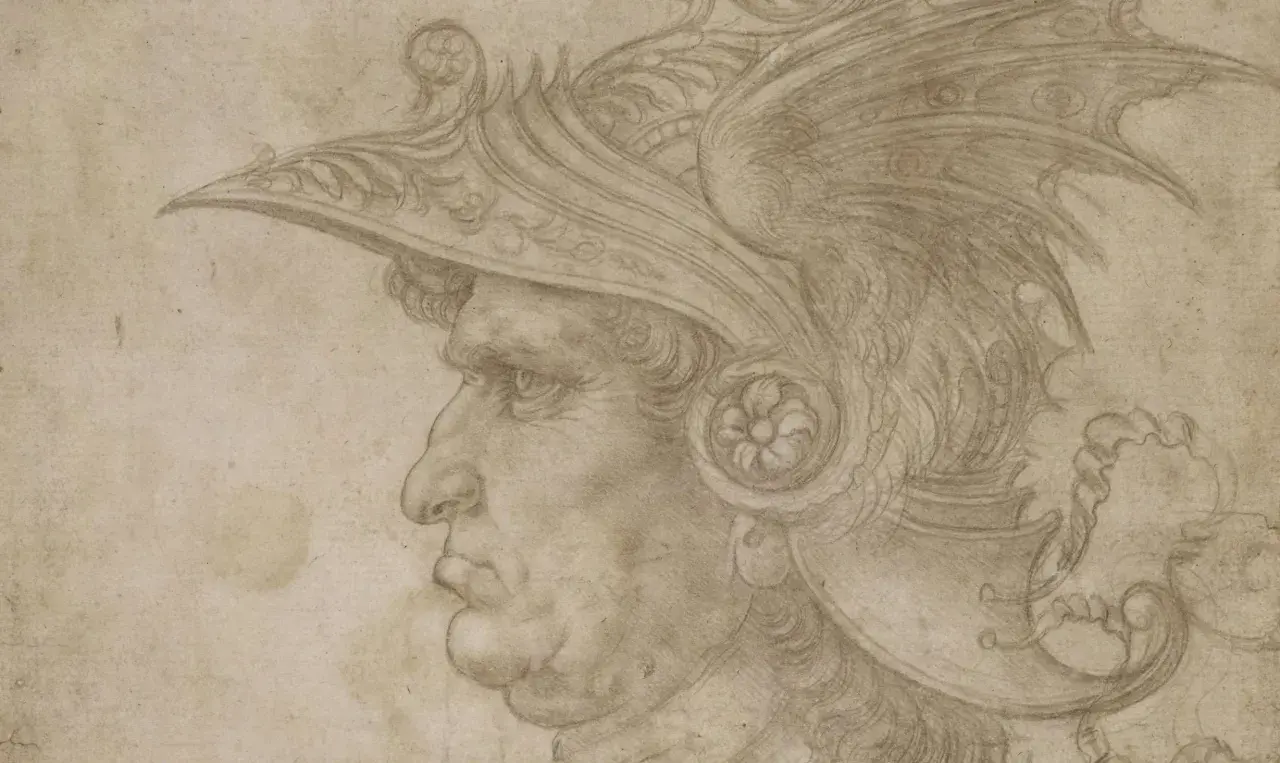
Silver point drawing is one of those techniques that looks almost understated until you understand how much control it demands. A silver stylus on a prepared surface produces lines that are narrow, precise, and quietly permanent, which is why the medium still matters to artists, conservators, and collectors. In this article I explain how the technique works, which materials actually matter, how to approach a first drawing, and what to watch for when preserving or authenticating finished works.
The medium rewards preparation, patience, and close observation
- Silverpoint is a metalpoint technique: the metal tip leaves tiny deposits on an abrasive ground.
- The surface is as important as the stylus; without the right tooth, the mark will not build properly.
- It is excellent for fine line, underdrawing, and disciplined studies, but poor for fast corrections.
- Modern grounds and mineral papers make the technique far easier to start with than traditional handmade recipes.
- For conservation, stability matters more than drama: keep works dry, flat, and protected from abrasion.
What silverpoint actually is and why it behaves differently
At its core, silverpoint belongs to the broader family of metalpoint drawing. The mark is created not by pigment sitting on top of the paper, but by a fine metal tip rubbing a tiny amount of metal into a prepared ground. That is why the drawing feels so exact: there is very little give in the line, and very little room to “fix it later.”
I find that this is the first mental shift beginners need to make. You are not sketching in the loose graphite sense. You are building a drawing through pressure control, line placement, and layering. The mark usually begins pale and cool, then slowly darkens toward a warmer gray-brown as the metal reacts with the environment over time. That aging process is part of the medium’s character, not a flaw.
Another useful distinction is that silverpoint is not only about silver. Historically, artists used several metals within the same metalpoint tradition, but silver became the most familiar term. The prepared ground is what makes the whole method possible: a smooth paper alone will not catch the line, while a properly toothed surface will hold delicate strokes with surprising clarity. That surface choice leads directly to the practical question every artist has next: what should the support and ground actually be?
The materials that make or break the drawing
The quality of the surface does more work than most people expect. If I were setting up a studio experiment, I would think in three parts: support, ground, and stylus. Each one changes the character of the finished sheet.
| Component | Traditional choice | Modern option | Why it matters |
|---|---|---|---|
| Support | Paper, vellum, parchment, panel | Heavy paper, illustration board, rigid drawing panels | A stiff support reduces warping and makes fine work easier to control |
| Ground | Bone ash or chalk with animal glue | Acrylic gesso or commercial metalpoint ground | This is the abrasive layer that catches the metal and gives the line its body |
| Stylus | Silver wire set in a holder | Silverpoint tool, wire stylus, mechanical holder | Point shape affects line width, pressure response, and the feel of the mark |
| Surface tone | Usually pale or lightly tinted | White, warm gray, tinted, or commercial ready-made sheets | Tone changes how visible the line is and how much contrast the drawing can hold |
In practical terms, look for a surface with enough tooth to leave a visible line without turning the sheet gritty. Too smooth, and the stylus slides. Too rough, and the line becomes scratchy instead of elegant. That balance is what separates a rewarding drawing from a frustrating one, which is why the setup phase deserves more attention than it often gets. Once the surface is right, the actual drawing process becomes much easier to understand.
How I would approach a first silverpoint drawing
The safest way to start is to think in stages, not in finished art. I would begin with a prepared sheet, a sharpened stylus, and a simple subject with clear edges: a shell, a hand, a plaster cast, or a small still life. Complex tonal scenes are possible, but they are not the easiest place to learn how the medium behaves.
- Choose a prepared support with a consistent, lightly abrasive ground.
- Test the point on a margin or scrap before committing to the main image.
- Block in the largest shapes first with very light pressure.
- Build volume through hatching and cross-hatching rather than heavy pressure.
- Keep the line economy tight; every stroke should earn its place.
- Pause often and check the sheet under angled light so you can see how the marks are accumulating.
The biggest beginner mistake is pressing too hard. The medium does not reward force; it rewards repeat contact. A clean silverpoint line often comes from many light passes, not one dramatic stroke. I also see people choose subjects that demand broad, smoky shadow right away. That is the wrong fit. Silverpoint excels when the structure of the form matters more than painterly softness.
There is one more practical habit I strongly recommend: plan the drawing before you start. Because the line is hard to erase in the traditional sense, your compositional decisions need to be clearer up front than they would be in charcoal or graphite. If you want a medium that encourages discipline, this is exactly why it remains so useful.
Where it shines and where it fights back
Silverpoint is not a universal drawing solution, and I think the medium becomes more interesting when you stop asking it to behave like another pencil. It is best when the task calls for precision, subtlety, and a high level of visual control. It is less effective when you need speed, broad value ranges, or frequent revision.
| Medium | Erasing | Line character | Best use | Main limitation |
|---|---|---|---|---|
| Silverpoint | Very limited | Fine, exact, restrained | Studies, portraits, botanical work, careful underdrawing | Unforgiving and surface-dependent |
| Graphite | Easy to modify | Flexible, familiar, broad range | General sketching, planning, fast iteration | Smudge-prone and less structurally severe |
| Charcoal | Easy to lift and revise | Soft, bold, expressive | Gesture, value studies, large tonal statements | Fragile and physically messy |
That comparison is useful because it strips away romantic assumptions. Silverpoint is not “better” than graphite or charcoal. It is narrower in purpose, and that narrowness is exactly why artists keep returning to it. A portrait in silverpoint can feel astonishingly direct because every line has intention behind it. The same constraint, though, makes it a poor choice for quick concept work or for drawings that need constant correction.
I would also point out that the medium is especially strong in works where subtle aging is welcome. The gradual darkening of the metal can add warmth and depth over time, which gives finished drawings a quiet sense of life. That same physical sensitivity is why conservators treat these sheets carefully, and that leads naturally to the preservation side of the medium.
Why conservators and curators still pay attention to it
For collections care, silverpoint is interesting because it sits at the intersection of drawing practice and material science. The line is thin, fragile in handling, and often only slightly raised above the surface. That means abrasion, moisture, and poor storage can do real damage even when the sheet looks calm at first glance.
In paper collections, stable conditions matter more than perfection. For most works on paper, I would aim for a dry, consistent environment rather than dramatic climate swings; a common conservation range is roughly 30-50% relative humidity. Sudden changes are more dangerous than a steady setting that is a little imperfect. The drawing should also be kept flat, shielded from friction, and separated from anything that might leave a surface impression.- Avoid touching the image area directly; skin oils and pressure can alter the surface.
- Use interleaving and proper mats so the drawing never rubs against adjacent materials.
- Keep the work away from damp storage, bright light, and fluctuating temperature.
- If the metal is uncertain, treat the work as a technical object until analysis confirms the point material.
Authentication is another reason the medium matters. Because several metals were used historically, the eye alone can mislead even experienced viewers. A drawing that reads as silverpoint at first glance may turn out to involve another metal in the broader metalpoint tradition. Conservators and researchers therefore rely on non-destructive methods such as X-ray fluorescence when they need to identify the elemental makeup without sampling the sheet. That kind of analysis matters when a work’s date, attribution, or workshop practice is under review.
What I would do first before starting or collecting one
If you want to learn the medium, start with a ready-made ground before you worry about making your own. That removes a major variable and lets you focus on line, pressure, and composition. If you are building a collection or cataloging a work, record the support, visible ground, and any evidence of metalpoint use with care before assigning a more specific identification.
- Use a prepared surface with a predictable tooth for your first attempts.
- Choose simple subjects that reward precision rather than speed.
- Store finished sheets flat, dry, and interleaved.
- When in doubt about the metal, classify it conservatively until technical testing confirms more.
That approach keeps the learning curve honest and the preservation logic clean. Silverpoint is at its best when the artist respects its limits instead of fighting them, and the same is true in collections: the more carefully the sheet is handled, described, and stored, the longer its fine detail will remain legible.
