
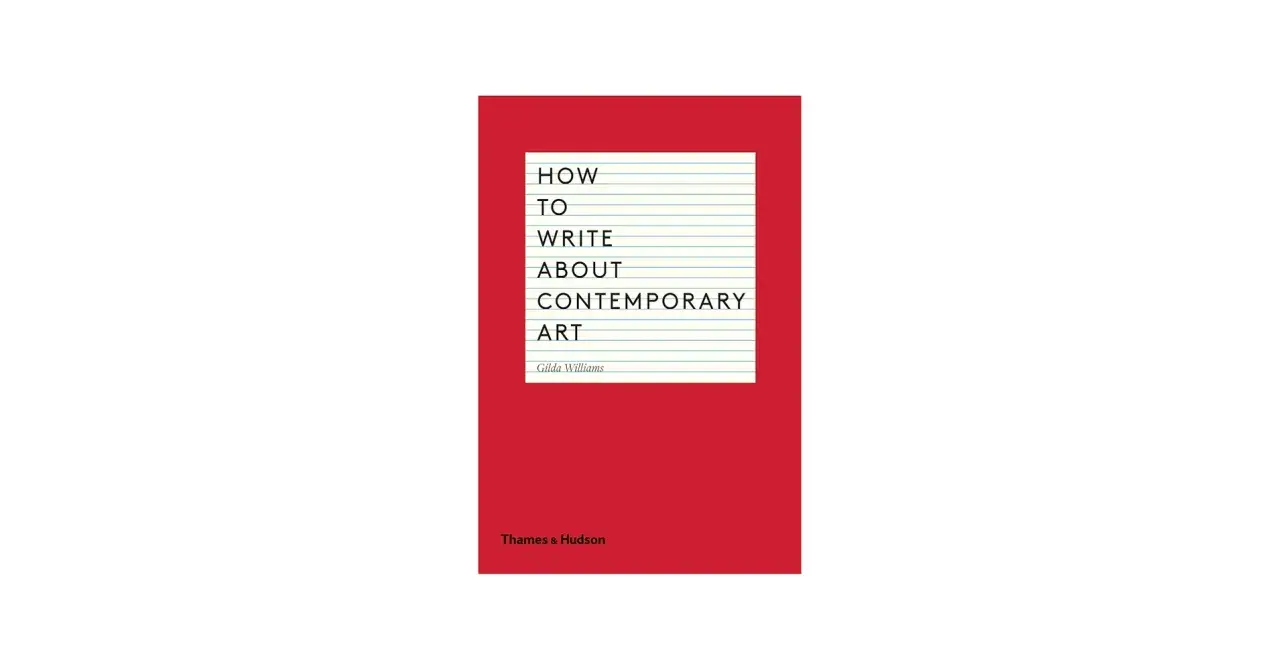
Strong art writing begins with close looking, precise naming, and a clear reason for the piece. Knowing how to write about art is less about sounding academic and more about learning how to separate observation from interpretation. This guide focuses on practical ways to describe techniques, materials, and visual decisions so your writing feels informed, readable, and trustworthy.
The safest path is to describe first, interpret second, and name materials accurately
- Record what you can verify: medium, support, scale, surface, and visible condition.
- Match the format to the job, whether it is a label, critique, artist statement, or catalog essay.
- Use technical terms when they clarify meaning, not when they hide weak observation.
- Let every claim rest on a visible detail, a material clue, or a documented fact.
- Revise for precision, tone, and consistency so the final draft sounds confident without sounding inflated.
Start with what is visible before you interpret anything
I always begin with the facts the work gives me on sight alone. What is the medium? What is the support? How large is it? Is the surface matte, glossy, rough, polished, layered, or worn? Those questions sound basic, but they keep the writing grounded and prevent the most common mistake in art prose: jumping straight to meaning before the reader knows what is actually there.
A useful first-pass note can include:
- subject or motif
- medium and support
- scale and orientation
- dominant colors and contrast
- surface qualities such as texture, sheen, or abrasion
- any visible signs of aging, restoration, or handling
If I am writing for a preservation-minded audience, I pay even more attention to condition, because a crack in the paint layer, a yellowed varnish, or a repaired tear can change both how the object looks and how it should be understood. Once those observations are in place, the next decision is how formal and detailed the piece needs to be.
Choose the format before you choose the voice
Not every piece of art writing is trying to do the same job. A wall label, a studio statement, and a critical essay may all describe the same work, but they ask different things of the reader. I find it easier to write well when I decide the format first, because the level of detail, tone, and length all change with purpose.
| Format | Practical length | Main goal | What to emphasize | What to avoid |
|---|---|---|---|---|
| Gallery or museum label | 60 to 120 words | Orient the viewer quickly | Title, date, medium, key idea, one strong observation | Jargon, long theory, unsupported speculation |
| Artist statement | 100 to 300 words | Explain practice and intent | Motifs, methods, materials, recurring concerns | Biography overload, vague slogans, marketing language |
| Short review or critique | 600 to 1,000 words | Assess the work and its effects | Evidence, interpretation, context, strengths and limits | Plot-summary style description with no argument |
| Catalog or essay text | 1,200 to 3,000 words | Develop a deeper reading | Historical context, technique, materials, reception, significance | Repetition, inflated prose, claims without support |
| Collection note or record | 50 to 150 words | Document the object accurately | Medium, dimensions, condition, provenance clues | Interpretive flourish that blurs the record |
These are working ranges, not rigid rules, but they are useful because they force discipline. A label should not read like a dissertation, and a long essay should not feel like a caption stretched to fill space. Once the format is settled, the most important words in the piece are often the ones that name how it was made.

Write about techniques and materials with conservation-minded precision
This is the section where art writing can become genuinely useful. Technique and material choices do more than decorate the surface, they shape how the work behaves, ages, and communicates. When I write about a painting, print, drawing, or mixed-media piece, I try to name the method in a way that would still make sense to a conservator, a curator, or a specialist reader years later.
| Term | What it means | Why it matters in writing |
|---|---|---|
| Impasto | Thick paint built up so it stands off the surface | Signals tactile depth, shadow, and physical presence |
| Glazing | Transparent or translucent paint layers laid over another layer | Explains optical depth, color shifts, and luminosity |
| Scumbling | Thin, broken paint brushed over a dry layer | Helps describe haze, softness, or a flickering surface |
| Collage | Paper, fabric, photographs, or other materials adhered to a support | Shows layering and the dialogue between different materials |
| Assemblage | Three-dimensional composition made from found or combined objects | Clarifies structure, scale, and object relationships |
| Support | The base surface that carries the artwork, such as canvas, panel, or paper | Essential for identification and preservation notes |
| Ground | The preparatory layer between support and paint | Affects tone, adhesion, and the final visual field |
| Varnish | A final coating that can protect the surface and alter gloss | Important because it changes color saturation and condition reading |
A few caution signs matter here. If the surface is hard to read, say so instead of pretending certainty. If you cannot tell whether a layer is oil or acrylic, write that it appears to be a painted layer with a glossy finish, or that the medium is not confirmed. That small discipline matters in authentication and condition reporting, where the difference between observation and guesswork can change the value of the record.
For mixed media, I look at how materials relate to one another rather than listing them mechanically. A photograph embedded in acrylic gel, a scrap of fabric stitched into paper, or a found object attached to a painted support each changes the object’s meaning because the materials are not neutral. They are part of the argument the artwork makes.Once the materials are clear, the next job is to turn those details into a reading that actually persuades the reader.
Turn observation into an argument the reader can follow
The strongest art writing does not just inventory details. It shows how those details work together. I usually build a paragraph in four moves: describe the feature, name the technique, explain the effect, then connect it to meaning or context. That sequence keeps the writing honest because the reader can follow each step.
- State what is present.
- Explain how it was made.
- Describe the visual effect.
- Interpret why that effect matters.
Here is the difference between a weak claim and a stronger one:
| Weak sentence | Stronger sentence |
|---|---|
| The painting is emotional. | Thick, dragged paint and abrupt shifts in color make the surface feel agitated rather than settled. |
| The work is about memory. | Faded edges, partial forms, and layered marks suggest memory as accumulation rather than as a single clear image. |
| The sculpture feels fragile. | Its narrow joins, exposed seams, and lightweight materials create a fragility that is structural as well as visual. |
I also avoid writing as if every meaning is certain. Phrases like suggests, emphasizes, and frames are often more accurate than absolute statements. If the artwork itself does not prove an intention, I do not write as though it does. That distinction keeps the prose credible, especially when the work is being discussed in a research, museum, or attribution context.
Once the argument is built, the remaining work is mostly editorial, but that is where many drafts either sharpen or weaken.
Edit for the mistakes that make art writing feel thin
Good art writing usually loses strength in revision because the writer stops checking for evidence. I look for the same problems every time, and they are predictable:
- Generic praise. Words like “beautiful,” “powerful,” and “interesting” are not enough unless they are tied to a visible reason.
- Jargon without function. Technical terms should clarify the work, not make the sentence feel protected by vocabulary.
- Guessing at intent. If the artwork does not support a claim about motive, keep the claim modest.
- Ignoring scale and surface. A work can look minimal in a photograph and feel physically dense in person, so scale always matters.
- Overdescribing every detail. Not every brush mark needs its own sentence. Choose the details that change the reading.
- Mixing observation and judgment too early. If the reader cannot tell what is seen and what is inferred, the argument gets blurry.
My fastest revision test is simple: I read every adjective and ask whether a reader could verify it from the work, from documentation, or from a clear inference. If the answer is no, I rewrite or cut it. That one habit removes a lot of filler and makes the final text sound more exact.
After that pass, I do one last check for usability, because art writing should help someone see the work more clearly, not just sound polished.
What I check before I call a draft finished
Before I publish or hand off a draft, I want the text to answer three practical questions: what is this work, how was it made, and why does that matter? If the reader can answer those questions without re-reading a paragraph three times, the piece is probably doing its job.
- Does the opening identify the work clearly enough for the reader to orient themselves?
- Have I separated what I saw, what I inferred, and what I can document?
- Did I name materials and techniques accurately, or at least cautiously when they are uncertain?
- Are the claims specific enough that they would still make sense without the image in front of the reader?
- Have I kept the tone appropriate for the format, whether it is a label, review, or longer essay?
- Does the final paragraph leave the reader with a clearer way of looking at the work?
For longer projects, I also keep a running note of object details, terms, and source facts so captions, labels, and essays stay consistent across drafts. That is a small habit, but it saves time and prevents contradictions, which is especially important when the writing sits close to preservation, history, or authentication. Clear art writing is not just about style; it is about building a record a reader can trust.
