
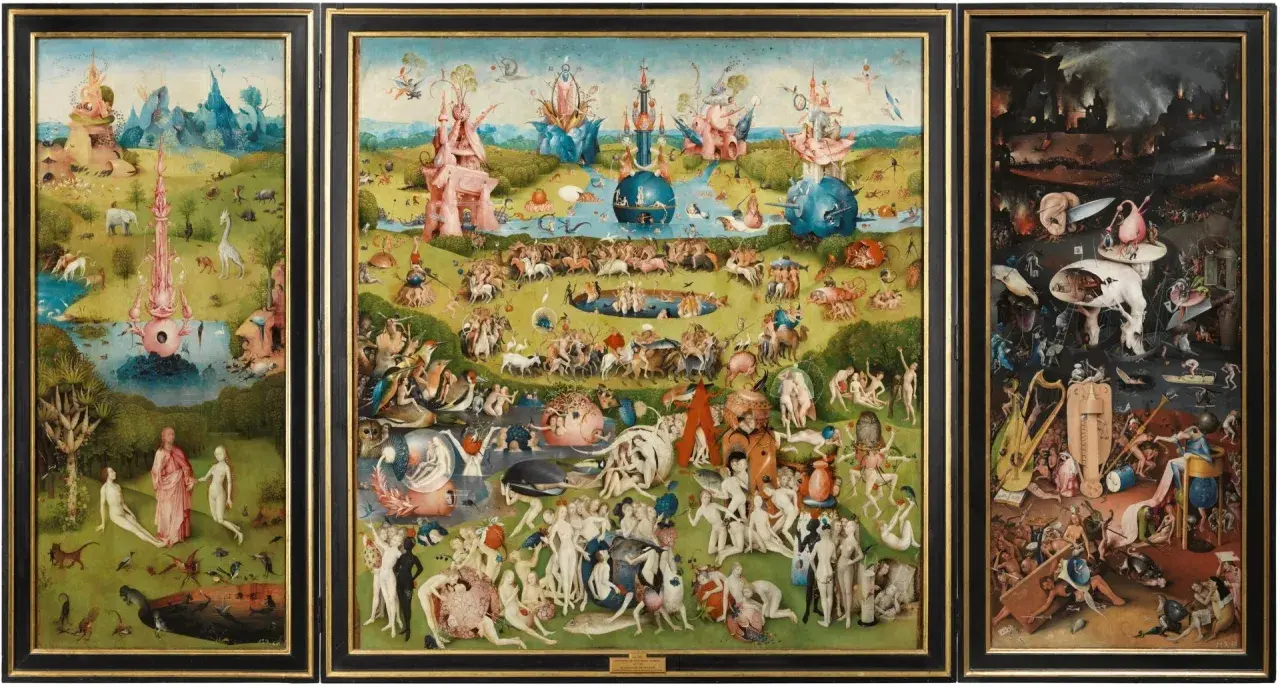
Strong looking starts with the object itself: surface, scale, line, color, and the material decisions underneath. visual literacy in art is the habit of reading those decisions before you jump to a theme or symbol, and it matters even more when technique is carrying part of the meaning. In the pages below, I break down how to look, what different materials reveal, which clues deserve more weight, and where close looking needs help from conservation or authentication.
The evidence in front of you matters most
- Start with visible facts, not theory, so interpretation stays anchored in evidence.
- Materials shape texture, light, scale, and durability, so they are part of the meaning.
- Technique leaves traces, from brush pressure and erasures to joins, seams, and print marks.
- Symbolism is useful, but it is weak on its own without close looking and context.
- Conservation and authentication can confirm, correct, or complicate what the eye suggests.
Start with observation before interpretation
When I stand in front of an artwork, I give myself a short, disciplined pass of pure description. I name what is visible without explaining it yet: what the image contains, how the composition is organized, where the eye is pulled, and which areas feel compressed, open, rough, or polished. The point is to delay the story long enough for the evidence to speak.
A simple three-pass routine works well:
- Describe only the facts you can defend.
- Analyze how the artist arranged those facts.
- Contextualize the work with date, function, patronage, or place only after the first two passes.
The Smithsonian American Art Museum uses a similar close-looking logic in its learning materials: begin with what is visible, then build meaning from that evidence. Once that habit is in place, materials begin to matter in a much sharper way.

Why materials change the story
Material evidence is not decoration; it is part of the artwork’s argument. Canvas, wood panel, paper, plaster, bronze, glass, textile, and digital output all create different limits and possibilities, and artists use those limits deliberately. A rough ground can catch pigment differently from a smooth one. A slow-drying medium can invite glazing and revision. A fragile support may force a smaller scale or a different display strategy.
The support is the physical base, and the ground is the prepared layer on top of it. If I know what a medium can do, I can tell whether an effect looks chosen, improvised, or constrained by process. Toledo Museum of Art treats visual literacy as reading, comprehending, and writing visual language, and that definition works well here because materials function like vocabulary.
| Medium or process | What to notice | What it often reveals | Common mistake |
|---|---|---|---|
| Oil paint | Blending, glazing, layered passages, visible drying cracks | Revision, depth, optical richness, and slower decision-making | Assuming a smooth surface means a simple process |
| Acrylic | Fast edges, flat passages, shifts between matte and gloss | Speed, correction, and a more immediate studio rhythm | Reading it as if it behaves like oil paint |
| Drawing media | Pressure, line width, erasures, paper tooth | Immediacy, planning, hesitation, and the artist’s hand speed | Ignoring how the paper support changes the mark |
| Printmaking | Repeated impressions, plate marks, mirror reversal, edition consistency | Transfer, reproducibility, and the role of the matrix | Assuming every impression is visually identical |
| Mixed media or sculpture | Joins, seams, adhesives, surface collisions | Assembly, repair, tension between materials, and conceptual layering | Assuming one material tells the whole story |
Once materials are visible, technique becomes easier to read because you can see how the artist handled those materials.

Techniques that reveal intention and control
Technique is the trace of decision-making. I look for the places where the hand hesitates, repeats, scrapes back, or pushes too far. Those moments often tell me more than the finished image does.
- Brushwork shows speed, pressure, and confidence. Long, soft strokes can suggest blending or atmospheric effects; short broken marks can keep the surface active.
- Glazing means applying thin transparent layers over a dry layer. It deepens color and can create a sense of inner light, but it also slows production.
- Impasto is thick paint laid on with visible body. It pushes the surface toward material presence, so the painting is experienced almost as an object, not only an image.
- Hatching and cross-hatching build tone through repeated lines. In drawings, they often reveal not just volume but the rhythm of observation.
- Carving, casting, and joining leave physical seams in sculpture. A visible join or tool mark can be a compositional choice, not a flaw.
- Printmaking processes depend on transfer from a matrix, which is the template or plate used to make the print. That is why lithographs and screenprints can differ so much in edge quality, texture, and repeatability.
The question I ask is simple: does the technique hide its labor, or does it let the labor stay visible? Either answer can be powerful, but the interpretation changes completely. That leads straight to the traps people fall into when they read images too quickly.
The mistakes that most often distort reading
The most common error is treating symbols as if they had one universal meaning. Iconography, the study of symbols and motifs, is useful, but it does not replace the object in front of you. A dove, a skull, or a flower can shift meaning depending on period, patron, faith, and setting.
- Reading symbols too quickly can flatten a work into a label instead of a visual argument.
- Ignoring scale and viewing distance causes bad judgments about detail, intimacy, and impact.
- Assuming damage is original intent turns later wear, repair, or discoloration into false meaning.
- Relying on a reproduction alone hides texture, varnish, depth, and the way light moves across the surface.
This is where a reproduction can mislead even a careful viewer. A screen flattens gloss, collapses depth, and often erases the physical clues that matter most. If I want a sound reading, I have to ask what the image is doing in real space, not only on a screen. When the visual story is unclear, conservation tools can test the object rather than the guess.

How conservation and authentication sharpen close looking
In preservation work, visual literacy is only the first layer. Conservators pair close looking with technical study because the eye can catch a lot, but it cannot see through paint layers or verify a later overpaint on its own. Scientific methods such as ultraviolet examination, infrared imaging, and pigment analysis help reveal underdrawing, later repairs, and material changes that are invisible in ordinary viewing.
That is why I treat authentication as a conversation between the visible surface and the object’s physical history. Craquelure is the network of fine cracks that can form as materials age. Pentimenti are visible revisions left by the artist, and they can be especially valuable because they show the work was built, not copied. Neither clue proves authenticity by itself, but both can support or weaken a larger claim when they line up with provenance and technique.
Museum conservation research regularly shows how technical study can expose stages of production and identify what artists and craftspeople actually used. For a reader, the lesson is practical: what looks like a stylistic quirk may instead be evidence of repair, degradation, or a later hand. Once you understand that, the final step is not harder looking. It is more disciplined looking.
A small practice routine that builds sharper looking
I recommend a ten-minute routine with the same artwork, ideally over several days. The repetition is what teaches the eye to separate first impressions from stable evidence.
- Spend 2 minutes writing only what you can see.
- Name 3 material clues, such as surface sheen, support, or tool marks.
- Choose 1 technique and explain how it shapes meaning.
- Write 1 alternative reading that still fits the evidence.
- Check 1 outside fact, such as date, medium, or conservation history, to test your reading.
This routine is small on purpose. I have seen people try to learn everything at once and end up with vague impressions instead of real insight. A narrow, repeatable method trains stronger habits: less guessing, more evidence, better comparisons across works, and a clearer sense of when material evidence is doing the interpretive heavy lifting. That is the difference between noticing an image and actually reading it.
