Fresco is one of the most demanding mural techniques in art because the image is formed as the plaster dries, not afterward. That is why it matters so much in art history, conservation, and authentication: the surface, the timing, and the materials all affect what survives.
This article breaks down the technique in plain English, from plaster layers and pigments to the difference between true fresco and dry retouching. I also point out the signs conservators use when they study a wall painting in the field or in a museum.
The essentials at a glance
- A fresco is painted onto fresh plaster, so the pigment becomes part of the wall as the surface cures.
- The classic method uses a base plaster layer, a smoother final layer, and a daily painting section called a giornata.
- Artists usually rely on water-based, mineral, or earth pigments because not every color behaves well in wet lime plaster.
- Buon fresco is painted on wet plaster; fresco a secco is added later on dry plaster and is usually less durable.
- The technique is prized for longevity, but it is unforgiving: mistakes are hard to fix and moisture is a constant threat.
What makes a fresco different from other wall paintings
What sets fresco apart is not simply that it appears on a wall. The decisive factor is that the image is painted into fresh lime plaster while the surface is still workable. As the plaster sets, the pigment is locked into the wall itself, which is why true fresco can survive for centuries when the building conditions are stable.
That also explains why fresco is so different from oil on canvas, tempera on panel, or paint applied to dry masonry. With fresco, the wall is not just a support; it is part of the artwork’s chemistry. The technique rewards planning, speed, and a very disciplined hand, because the painter is working against the clock from the moment the plaster goes up.
That basic principle leads straight into the materials, because in fresco the surface is never just a backdrop. It is the foundation of the whole process.
The materials and layers behind the technique
Fresco depends on a layered wall structure, and each layer has a job. I think of it as architecture first, painting second. The wall needs to be prepared, leveled, and made receptive enough for pigment to bind securely.
| Material or layer | What it does | Why it matters |
|---|---|---|
| Arriccio | The rough preparatory plaster layer | Creates a stable base for the finished surface and often receives the preliminary drawing |
| Intonaco | The final, smooth plaster layer | This is the surface painted while it is still fresh |
| Sinopia or cartoon | The preparatory design | Helps the artist place figures, architecture, and proportions accurately |
| Mineral and earth pigments | The color layer | They are more stable in alkaline plaster than many organic colors |
| Water | The painting medium | It carries the pigment without creating an oily film that would block the plaster bond |
In practice, the palette is often more restrained than people expect. Strong earth tones, iron oxides, carbon black, ochres, and other robust mineral colors tend to perform better than fragile dyes. That does not mean fresco has to look dull; it means the color choices are shaped by chemistry, not just taste.
Once you understand the layers, the workday structure of the technique becomes much clearer.
How a fresco is painted day by day
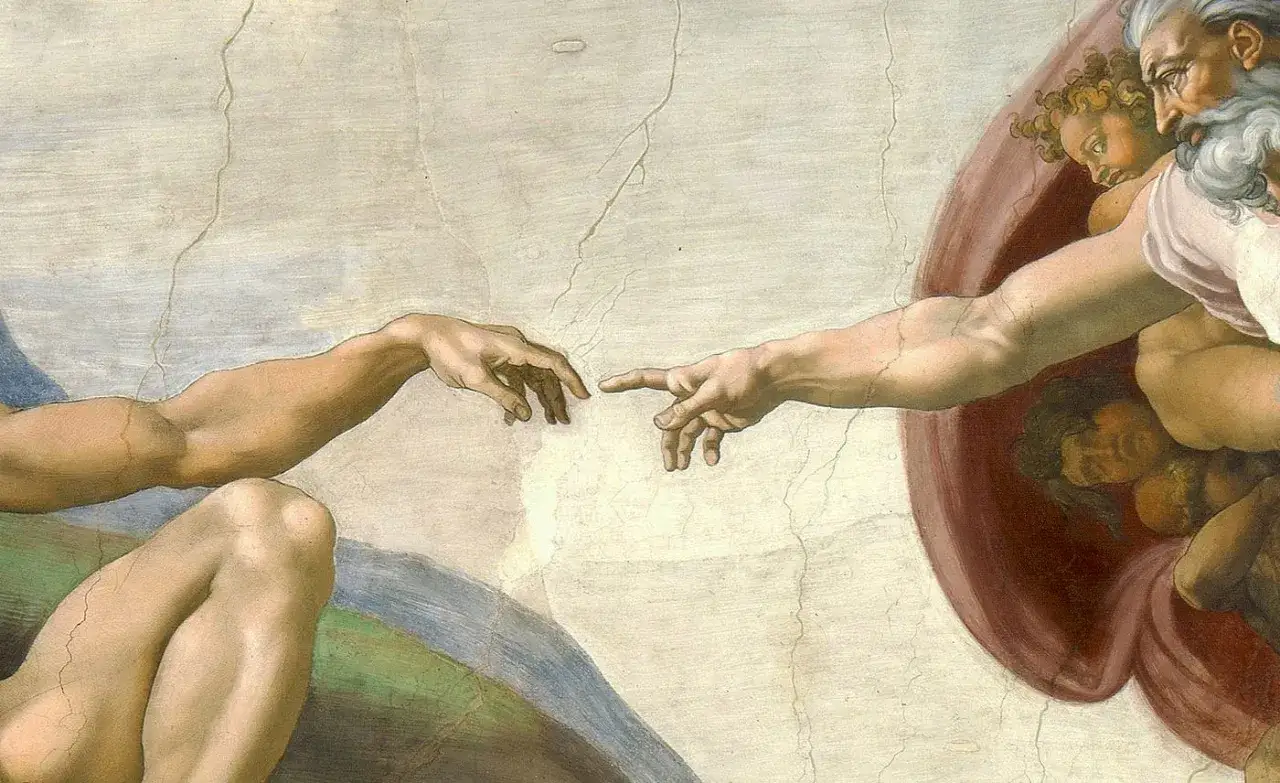
A true fresco cycle is built in small, controlled sections. The painter can only cover as much wet plaster as can be completed before the surface sets, which is why each day’s area matters so much. Those sections are called giornate, and they often leave subtle boundaries that conservators can still read.
- The wall is prepared with a rough plaster base.
- The artist places a full-scale design, or draws directly onto the preparatory layer.
- A fresh layer of smooth plaster is applied only to the section that will be painted that day.
- Pigment mixed with water is brushed onto the wet surface quickly and decisively.
- If the artist needs extra highlights, edges, or corrections, some details may be added later on dry plaster.
This rhythm shapes the look of the final work. Fresco often has a freshness and directness that comes from the speed of execution, but that same speed limits how much the painter can revise. In other words, the technique creates a very particular balance between control and improvisation.
That balance is easiest to understand when you compare the two main approaches side by side.
Buon fresco and fresco a secco compared
The term fresco covers more than one method, and the distinction matters. The most durable version is buon fresco, where pigment is laid into wet intonaco. Fresco a secco is added after the plaster has dried, which gives the artist more freedom but usually less permanence.
| Aspect | Buon fresco | Fresco a secco |
|---|---|---|
| When it is painted | On wet plaster | On dry plaster |
| How it bonds | Pigment becomes integrated with the plaster as it sets | Paint sits on the surface instead of fusing with it |
| Durability | Usually stronger and longer lasting | More vulnerable to flaking and loss |
| Working speed | Fast and highly planned | More flexible and easier to adjust |
| Typical use | Main structural image, large areas, major cycles | Fine details, highlights, corrections, or color accents |
In real wall paintings, the two methods are often combined. That mixed approach is practical: the core image can be built in buon fresco, while smaller details are strengthened or corrected a secco. The tradeoff is obvious, though. Those later dry additions are usually the first areas to deteriorate.
That issue leads directly to the question conservators care about most: why some frescoes survive so well while others fail early.
Why frescoes survive, fail, and matter to conservators
The endurance of fresco comes from chemistry, not luck. As lime plaster cures, the surface carbonates and the pigment becomes part of the wall. When the building stays dry and structurally sound, that bond can hold for a very long time.The weakness is equally clear. Water infiltration, salt movement, cracking, poor original plaster, later overpainting, and unstable repairs can all damage the surface. Secco additions are especially fragile because they are not locked into the plaster in the same way. From a conservation standpoint, the challenge is often less about the color itself than about the support system underneath it.
What conservators look for
- Plaster seams that reveal the daily painting rhythm
- Underdrawing or sinopia beneath the final surface
- Tool marks, incisions, or pouncing points used to transfer the design
- Areas of dry retouching that sit differently from the wet-plaster paint
- Cracks, detachments, and salt damage that signal structural stress
Those details are also useful for authentication. A genuine fresco usually tells a coherent material story: the layers make sense, the plaster behaves in a consistent way, and the surface history aligns with the building it belongs to. That is one reason frescoes are so important in preservation research; they preserve technique as clearly as they preserve imagery.
Some of the best-known examples make that history easy to see.
Read Also: What is a Drawing? Uncover the Art of Mark-Making
Examples that still define the medium
- Roman wall paintings from Pompeii and Boscoreale show how fresco shaped domestic interiors and why volcanic burial preserved so many examples.
- Giotto’s Arena Chapel frescoes demonstrate how a wall cycle can organize narrative across an architectural space instead of treating each scene as isolated.
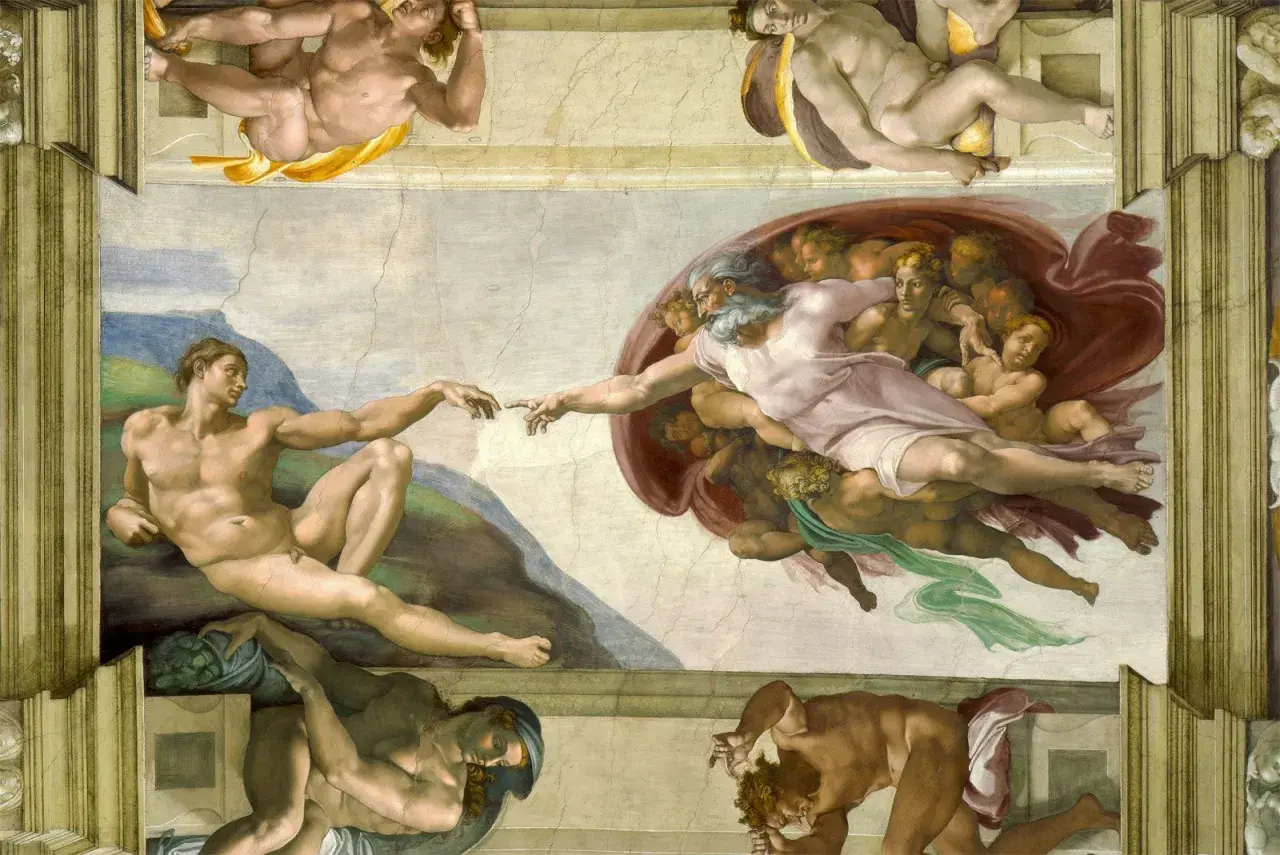
- Michelangelo’s Sistine Chapel ceiling shows the scale fresco can achieve when planning, scaffolding, and daily execution are all carefully controlled.
What I find most instructive about these works is not only their fame, but their clarity. Each one reveals a different side of the same method: domestic decoration, narrative sequencing, and monumental ambition. Taken together, they show why fresco remained central to Western mural painting for so long.
Seeing those examples in mind makes it easier to recognize the technique in the wild, which is where the final practical test begins.
What to look for when you identify one today
If I am trying to identify a fresco in a museum, church, or archaeological site, I start with the surface and then work outward. Fresco usually has a matte, plaster-like finish rather than the glossy skin of oil paint. I also look for evidence that the image belongs to the wall itself, not to a removable support.
- Subtle plaster joins or daily work sections
- A surface that looks fused to masonry rather than laid on top of it
- Signs of later dry retouching in small details or highlights
- Cracks and losses that follow the wall’s movement
- Historical context that makes wall painting plausible, such as chapels, villas, or palace interiors
That checklist is simple, but it is usually enough to separate true fresco from a broader mural treatment. If you remember only one thing, remember this: fresco is not just painting on a wall, it is painting into a living plaster surface before it hardens. That is what gives the technique its beauty, its discipline, and its long conservational life.