
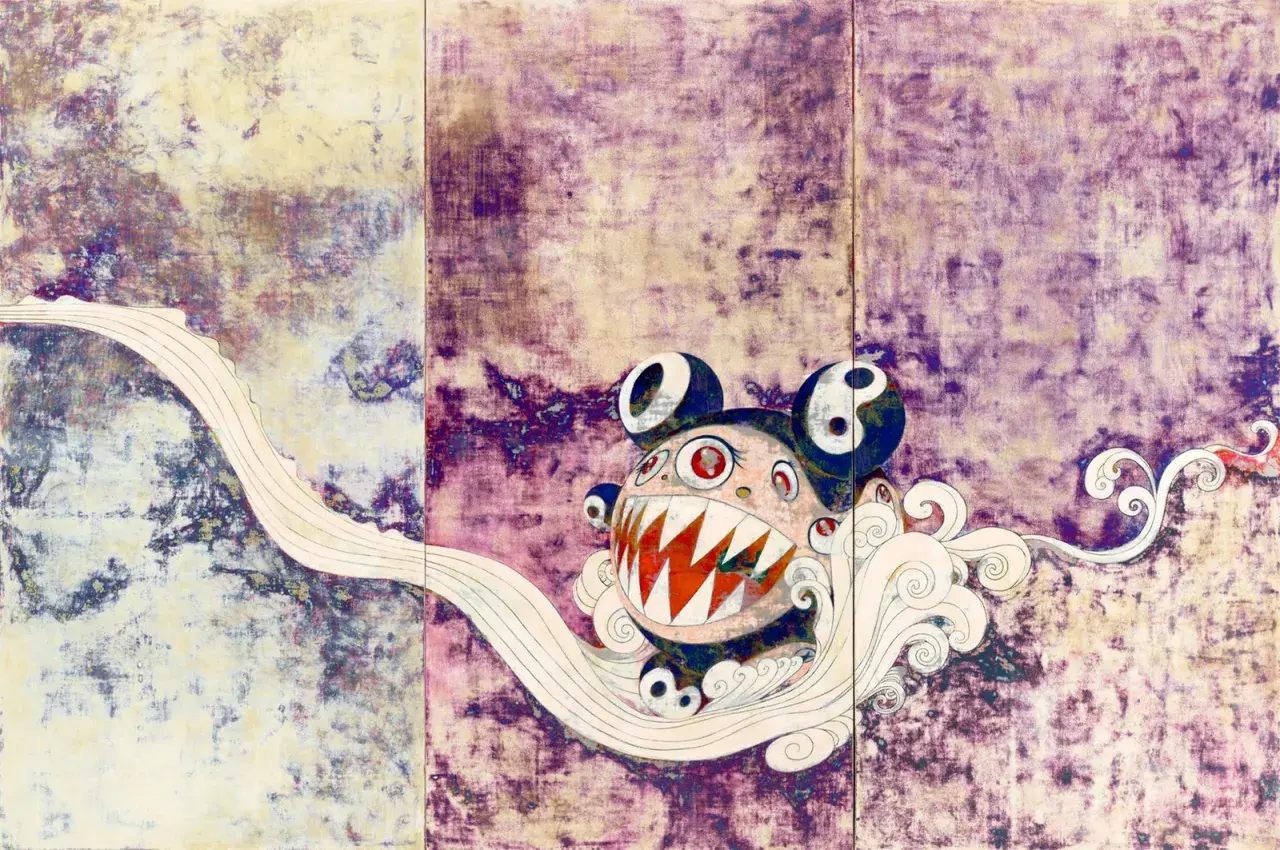
Pop Art is one of the easiest modern movements to recognize once you know what to look for, but it is also easy to reduce to a few surface clichés. In this article, I break down the pop art characteristics that matter most: the imagery, colors, techniques, tone, and cultural logic behind the style. I also show how those traits help you distinguish a serious Pop work from something that only borrows its look.
The essentials at a glance
- Pop Art turns everyday products, celebrities, ads, and comic imagery into fine art.
- The style depends on flat color, hard edges, repetition, and a deliberately commercial look.
- Irony matters: many works seem playful, but they often critique consumer culture at the same time.
- Techniques such as silkscreen printing, Ben-Day dots, and appropriation are part of the message, not just the finish.
- In the United States, Andy Warhol, Roy Lichtenstein, James Rosenquist, and Claes Oldenburg are the clearest reference points.
What makes Pop Art recognizable
Pop Art emerged in the 1950s and flourished in the 1960s, especially as artists in the United States responded to television, advertising, celebrity culture, and the postwar consumer boom. The movement is built on a simple but radical idea: everyday images can carry as much visual power as traditional fine-art subjects. That is why a soup can, a comic panel, or a billboard fragment can feel fully "artistic" once it is pulled into the gallery.
I usually think of Pop Art as an art of recognition. It asks viewers to see familiar things differently: a soda bottle, a movie star portrait, a logo, a newspaper image, or a household product. The shift in context does most of the work. Once an ordinary image is enlarged, repeated, isolated, or re-framed, it stops being just a product and starts becoming a cultural sign.
That is also why Pop Art can look celebratory and critical at the same time. It borrows the language of mass culture without pretending mass culture is neutral. Once that tension is clear, the rest of the movement's visual language starts to make sense.
The visual language behind the style
Pop Art's surface is usually clean, direct, and immediately legible. Artists often used bright primary colors, strong outlines, flat planes of pigment, and compositions that feel almost mechanically assembled. That clarity was not accidental; it was part of the statement.
- Flat color keeps the image from feeling traditionally painterly.
- Hard edges make figures and objects read like printed graphics or advertising art.
- Repetition turns one image into a pattern, which echoes mass production.
- Scale shifts make ordinary things feel monumental or strangely detached.
- Visible print effects remind you that the image comes from mechanical reproduction.
Ben-Day dots are a good example of this logic. They imitate the dots used in commercial printing, which is why Roy Lichtenstein's comic-derived paintings feel both hand-made and machine-made at once. That tension between craft and reproduction is central to the movement. It is also one of the reasons Pop Art still reads so clearly from across a room.
Those formal choices become more meaningful when you see the actual images Pop artists selected.
The subjects Pop artists kept returning to
Pop Art rarely reaches for the heroic, the mythic, or the deeply private. Instead, it borrows from the shared visual environment of postwar America: soup cans, soft drinks, comic strips, shopping goods, celebrities, cars, lipstick, and newspaper imagery. In other words, it works with things people already knew before they entered the gallery.
A few recurring subjects tell the story well:
- Consumer products such as Warhol's soup cans turn packaging into a subject worth looking at closely.
- Celebrity portraits show how fame becomes a mass-produced image rather than a personal presence.
- Comic-strip scenes bring speech bubbles, melodrama, and halftone texture into fine art.
- Oversized ordinary objects, such as Claes Oldenburg's soft sculptures, make the familiar feel absurdly monumental.
- Billboard-scale imagery, especially in James Rosenquist's work, connects the gallery wall to the roadside and the shopping district.
What interests me most is that these subjects are ordinary and loaded at the same time. A soup can is just a soup can until it becomes a sign of repetition, branding, and abundance. A movie star portrait is just a face until it becomes a study in image circulation. That is the Pop Art trick, and it is smarter than it first appears.
The subject matter explains the joke, but the technique tells you how the joke is being made.
The techniques that matter as much as the image
Pop artists often treated method as part of the message. Silkscreen printing, for example, allowed the same image to be repeated with small variations. Collage and appropriation let artists borrow directly from newspapers, ads, and comics. Even when a work was painted by hand, it often imitated the look of a printed object rather than a uniquely expressive canvas.
I think this is where many viewers underestimate the movement. The style is not simply bright and fun. It is also about how images are manufactured, copied, and circulated. A work may appear playful, but its structure can be very deliberate.
Common techniques include:
- Silkscreen, a stencil-based printing method that supports repeatable images and editioned works.
- Appropriation, which means borrowing existing imagery and recasting it in a new context.
- Comic-book line work, which gives figures a crisp, graphic presence.
- Text and speech bubbles, which make the work feel borrowed from mass media rather than invented from scratch.
- Mechanical-looking repetition, which turns style into a comment on mass production itself.
For preservation and authentication, these technical choices matter because the physical evidence of the process can be part of the work's identity. Edition marks, print alignment, paper condition, ink stability, and studio documentation may tell you more than a quick glance at the image. That leads naturally to the question of how Pop differs from other modern movements that also broke with tradition.
How Pop Art differs from nearby movements
Pop Art is often grouped with other modern styles, but the distinctions are useful. I find a side-by-side comparison helps because it separates visual similarity from artistic intention.
| Movement | Typical look | Main subject matter | Underlying attitude |
|---|---|---|---|
| Abstract Expressionism | Loose, gestural, emotionally charged | Non-representational form, gesture, color field | Personal, subjective, inward-looking |
| Minimalism | Reduced, geometric, stripped-down | Objecthood, form, repetition, industrial simplicity | Cool, austere, formally focused |
| Pop Art | Bold, graphic, flat, image-driven | Advertising, comics, celebrities, products | Detached, ironic, and often double-edged |
Pop Art can share Minimalism's clean look or Abstract Expressionism's scale, but its logic is different. It is not trying to reveal the artist's inner life, and it is not trying to reduce art to pure form. It is asking what happens when the images of ordinary consumer life become the content of high art. That is why it can feel both immediate and sly.
Once that difference is clear, the movement becomes easier to place in the larger conversation about contemporary culture and collecting.
What I would check first in a strong Pop work
When I read a Pop Art piece quickly, I start with three questions: is the subject instantly familiar, does the surface feel intentionally commercial, and is there a second layer of meaning hiding behind the bright finish? If the answer to all three is yes, the work is probably doing something authentically Pop rather than simply using a loud palette.
- Look for ordinary imagery that has been isolated, enlarged, or repeated.
- Check whether the colors and outlines feel graphic rather than painterly.
- Notice whether the work uses humor, irony, or a slight emotional distance.
- Ask whether the process itself, such as printing or repetition, is part of the meaning.
That last point matters more than most people expect. Pop Art stays relevant in 2026 because the culture that produced it never really went away; it just changed mediums. Advertising, celebrity branding, screenshots, memes, and platform feeds now do much of the visual work once done by magazines, television, and billboards. The style still feels fresh because it describes a world that has become even more image-saturated.
For viewers, collectors, and anyone interested in preservation, the real lesson is simple: do not stop at the bright colors. Look for the relationship between image, repetition, and cultural meaning. When those three elements line up, you are usually looking at the structure of Pop Art rather than just its decorative shell.
