
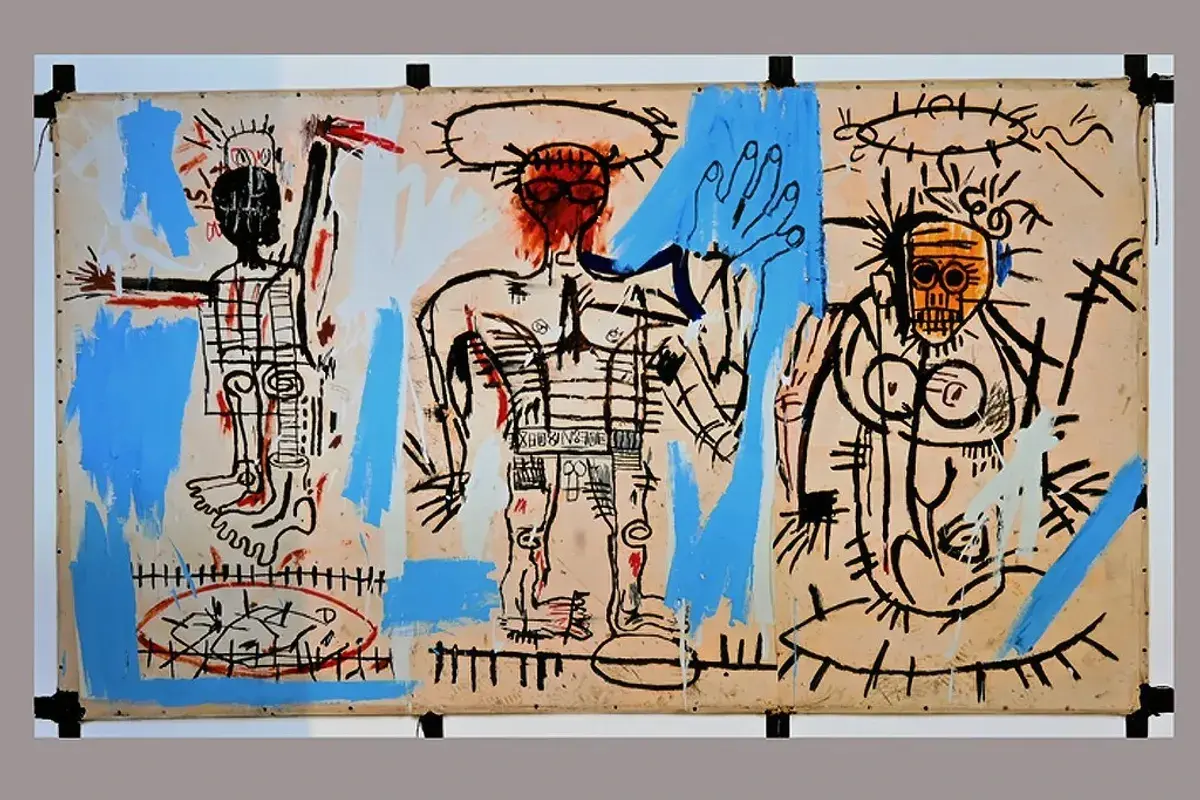
The triptych meaning is simple on paper, but the format matters for far more than definition. A three-panel artwork changes how an image is composed, how it is built, and how it ages over time, which is why I look at it as both a visual structure and a physical object. In this article, I break down the term, the construction choices behind it, the materials artists use, and the details that help with reading, preserving, and authenticating one.
The three-panel format is one object, not three separate pictures
- A triptych is an artwork made of three connected panels, usually read as one composition.
- The center panel often carries the main subject, while the side panels frame, extend, or contrast it.
- Traditional examples were often made on wood, ivory, or metal, with oil, tempera, paint, and gilding.
- The format appears in altarpieces, devotional objects, portraiture, and modern conceptual art.
- For preservation, the joints, hinges, and support matter as much as the image.
What a triptych actually is
In the clearest terms, a triptych is an artwork made of three panels that function as a single work. Tate’s art-terms definition keeps it plain: three panels, one object, one visual idea. That is the practical core of the format, and it is the part people often miss when they treat it as just “three things in a row.”
I like to separate the term from the visual habit. Not every artwork with three parts is automatically a true triptych. The panels need to belong to one planned composition, even if they are physically distinct and even if they can close, fold, or be displayed separately.
| Format | Panels | Typical use | Why it matters |
|---|---|---|---|
| Diptych | 2 | Portraits, devotional objects, paired imagery | Creates a simple relationship or comparison |
| Triptych | 3 | Altarpieces, narrative scenes, contemporary art | Builds hierarchy, rhythm, and movement across three parts |
| Polyptych | 4 or more | Large devotional cycles, complex storytelling | Expands the visual sequence beyond a central trio |
| Single panel | 1 | Standalone painting or icon | No panel relationship to interpret |
The distinction sounds basic, but in art history and conservation it changes the whole reading of the object. Once you know the structure, the next question is how those three parts are made to behave like one image.
How three panels create one visual idea
The power of a triptych is not simply that it has three parts. It is that those parts create tension, pause, and direction. The central panel usually holds the primary figure, event, or symbol, while the wings either support the center, echo it, or complicate it. That balance is what gives the format its grip.
In practice, I look for three common effects. First, the format can frame a central idea, which is why it became so useful for altarpieces. Second, it can stage a sequence, letting the eye move from one panel to the next as if reading a visual sentence. Third, it can split one subject into contrasts, such as sacred and earthly, past and present, or interior and exterior.
Many viewers expect triptychs to feel symmetrical, but the stronger ones often rely on controlled asymmetry. A slight shift in scale, gesture, color, or density can keep the eye moving and prevent the composition from going flat. That compositional logic leads directly to the physical choices artists make in the support and surface.
The materials that shape the object

Materials are where the format becomes more than an idea. Historic triptychs were often made on wood panels, sometimes oak, sometimes other supports chosen for stability and prestige. The Met’s collection notes on works like the Merode Altarpiece show how frequently oil on oak appears in early examples, while smaller devotional pieces may use ivory, gilding, and metal mounts.
Here is the material logic I pay attention to when I examine one:
- Wood panels give rigidity and a traditional feel, but they also move with humidity, so joins and warping matter.
- Canvas is lighter and more common in modern triptychs, especially when artists want a larger scale or a less rigid support.
- Ivory, metal, and mixed media appear in portable historic objects, where precious materials signal status and devotion.
- Oil paint supports soft blending and layered color, which helps unify separate panels visually.
- Tempera and gilding create a sharper, more luminous surface, especially in medieval and early Renaissance works.
- Ground layers, such as gesso, prepare the surface and influence how smooth, bright, or absorbent the final image feels.
The support and paint system also determine how the work ages. Wood can crack, canvas can slacken, hinges can fail, and gilding can lift at the edges where movement is greatest. That is why material knowledge is not a side note in triptych study, it is part of the object’s meaning.
Where the format is strongest
The format became famous in religious art because it naturally suits hierarchy and devotion. The center can hold the principal figure or event, while the wings add saints, donors, scenes from scripture, or symbolic companions. In that setting, the viewer is not just looking, but moving through a small visual order.
That said, the form did not stay in the church. Artists later used it for portraiture, landscape, and modern narrative painting because it handles contrast well. A triptych can show one moment in three states, three figures in relation to one another, or three viewpoints of the same subject. It is especially effective when an artist wants separation without losing unity.
I think that is why the format still feels current. Even in contemporary work, the three-part structure gives an artist a built-in way to organize time, memory, or psychological distance without depending on a single, closed image.
How I assess and preserve one
When I look at a triptych as a preservation or authentication problem, I start with structure before subject. A genuine historic object usually tells you a lot through its joins, edges, backs, and hinge points. Those areas reveal whether the panels were conceived together, altered later, or assembled from different sources.
The first things I check are usually these:
- Panel alignment to see whether the imagery and proportions were planned as a unit.
- Hinges or join hardware to identify original construction versus later replacement.
- Paint continuity across seams to see whether the design crosses from one panel to the next.
- Wood grain, cupping, or cracks on historic panels, since movement often shows up there first.
- Repainting or overcleaning near edges, which can signal past intervention.
- Backings and frames that may hide repairs, labels, inscriptions, or later reconstruction.
For care, the main rule is stability. Keep the object away from abrupt environmental change, forceful handling, and unnecessary opening or closing of wings. If the triptych folds, the mechanism should be treated as part of the artwork, not as a convenience feature. A loose hinge can damage paint at the fold line long before the problem is obvious from the front.
That is also why this format attracts conservators and collectors alike: the image can be understood only when the object is understood.
The cues I use when reading a triptych up close
When I want to know whether a triptych is working, I look for three things at once: a clear center, a purposeful relationship between the wings, and a material structure that supports the design instead of fighting it. If one of those pieces is missing, the work starts to feel less like a true three-panel composition and more like an arrangement of separate parts.
I also pay attention to the way the format handles time. A strong triptych can hold a single instant, a sequence, or a contrast without becoming visually noisy. That is its real strength, and it explains why the form has lasted from medieval altarpieces to modern studio practice. When those elements are in balance, the artwork reads as one deliberate structure, and that is the most useful way to understand it.
