
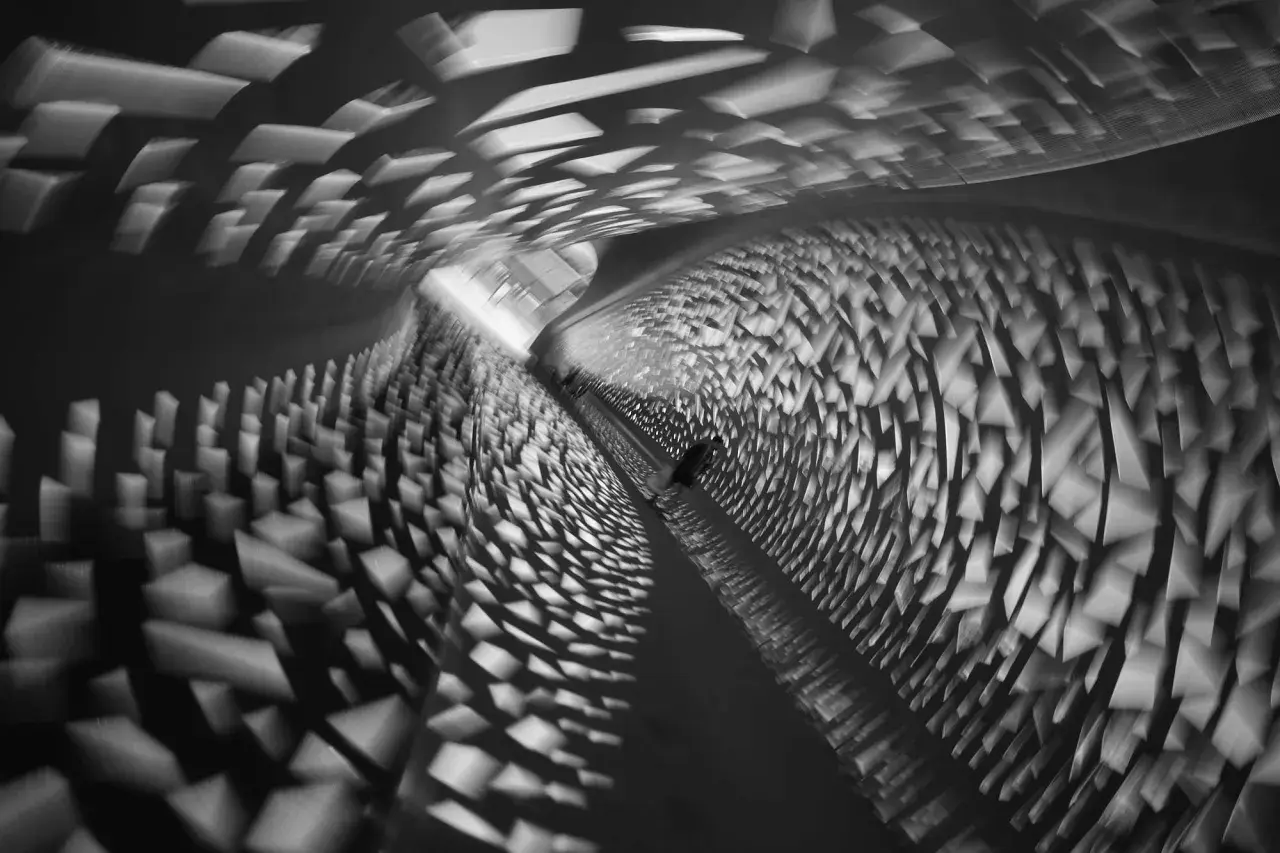
Photography in art is more than a camera recording a scene. It is a medium shaped by light, framing, printing, and intention, which means the same subject can read as evidence, memory, or a deliberate artwork depending on how it is made and presented. In practice, the real question is not whether the image is "real," but what the image is doing, what it is made from, and why those choices matter.
The short version of how photography functions as art
- Photography became an art form when artists treated light, composition, sequencing, and printing as expressive tools rather than pure documentation.
- The material base matters: paper, metal, glass, plastic, dyes, pigments, and alternative processes all change the look and lifespan of the work.
- A strong photographic work usually combines concept, surface, scale, and presentation, not just a compelling subject.
- Many photographic materials are vulnerable to light, handling, and unstable storage, so preservation is part of the medium itself.
- For collectors and researchers, edition details, provenance, and process clues are central to authentication.
What photography means inside the art world
I think of photography in art as a visual language with its own grammar. It can document, stage, invent, critique, archive, or simply observe, but the artistic value comes from how the image is constructed and framed, not only from what the lens captured.
Since its invention in 1839, photography has carried a dual role: it can function as a record and as an expressive medium. That tension is part of its power. A photograph may look immediate and factual, yet the artist still decides where to stand, when to click, what to include, how to print, and how large the final work should be.
That is why the medium does not sit neatly in one box. In the art world, a photograph can be a single object, part of a series, a conceptual statement, or a historical document with aesthetic force. Once that definition is clear, the next question is why museums, critics, and collectors came to treat photography as serious art.
Why the medium earned gallery status
Photography did not become accepted simply because it was new. It earned its place by proving that it could do things painting and printmaking could not always do in the same way: move quickly between fact and fiction, capture everyday life without losing formal control, and build meaning through repetition, sequence, and context.
By the 1920s, photographers were pushing the medium toward modern art through experimentation with light, perspective, abstraction, and unusual subject matter. Later, conceptual artists used photographs not just as finished pictures but as evidence, notes, serial structures, or public interventions. That broadened the medium far beyond portraiture and landscape.
Another reason photography gained status is simple: the art world learned to read the photograph as an object. A print is not just an image. It is surface, paper, ink or silver, tone, scale, edges, and sometimes the trace of the artist's hand. Once museums and collectors started paying attention to those physical qualities, the medium stopped looking secondary and started looking indispensable. That shift becomes easier to understand when you look closely at the materials behind the image.

The techniques and materials that shape the image
Materials are not a technical footnote in photography; they are part of the aesthetic argument. A matte platinum print feels different from a glossy color print, and a cyanotype announces its process in a way that a digitally printed image may not. The surface can make the work feel clinical, tactile, fragile, or monumental before the subject matter even registers.
| Process | Typical materials | Visual character | Why artists use it |
|---|---|---|---|
| Gelatin silver print | Silver salts on paper | Deep blacks, broad tonal range, classic black-and-white look | Strong for documentary work, portraiture, and images that depend on tonal control |
| Platinum/palladium print | Noble metal salts on high-quality paper | Matte surface, subtle midtones, soft but dense blacks | Chosen for tonal depth, craft, and a quieter, more intimate presence |
| Cyanotype | Iron salts on paper or fabric | Prussian blue image, visible process marks | Useful when process visibility and handmade character are part of the meaning |
| Chromogenic or pigment inkjet print | Color chemistry or pigment inks on archival paper, aluminum, or similar supports | Wide color range, clean detail, flexible scaling | Common in contemporary fine art because it supports large editions and precise color |
| Cased or historic process photograph | Metal, glass, or other early supports | Often highly detailed, reflective, or unique in surface behavior | Valued for historical specificity and for the way material and image are inseparable |
What matters here is not only the process name, but the effect it creates. A gloss surface can intensify color and contrast, while a matte print can slow the viewer down and make the image feel more contemplative. Digital production has expanded the field rather than replacing it, because artists can now work with scanned negatives, born-digital files, pigment prints, and mixed workflows that combine analog and digital decision-making.
For me, the key insight is this: the support is never neutral. Paper, metal, glass, and plastic each change the way the image meets the eye. That physical reality also shapes how the work will age, which is the point where artistic technique and preservation begin to overlap.
What turns a photograph into a work of art
A photograph becomes art when the maker is doing more than capturing a subject. I look for intention, editing, and control. If the image only shows me what was there, it may still be a useful photograph, but it may not yet be a fully articulated artistic work.
The strongest photographic pieces usually have several layers working at once:
- Concept - What is the image trying to say, question, or reveal?
- Composition - How do framing, balance, negative space, and gesture guide the eye?
- Light - Is the light describing the subject, flattening it, dramatizing it, or making it ambiguous?
- Sequence - If the work is part of a series, how do the images speak to one another?
- Presentation - Does scale, cropping, mounting, or print finish change the meaning?
This is where a lot of beginners miss the point. They assume a strong subject automatically equals strong art. It does not. A technically clean image can still feel empty if it has no structure, no point of view, and no relationship between form and idea. On the other hand, an apparently ordinary subject can become compelling when the artist uses repetition, silence, framing, or scale with real precision.
That same logic explains why sequence matters so much in photographic practice. In many bodies of work, the meaning is not in a single frame but in the rhythm between frames. Once you start reading photographs this way, the next issue becomes obvious: if the work is made from light-sensitive materials, how do you preserve it without changing what makes it special?
How photographic works are preserved and authenticated
Preservation is not an add-on in photography. Many photographic materials are vulnerable by design. Light, pollutants, poor storage, and rough handling can all alter a print, and in some cases those changes are irreversible. Light damage is cumulative, which is why museum display for photographs is often limited and carefully rotated.
Here is the practical conservation reality I would keep in mind:
| Risk | What it can do | Practical response |
|---|---|---|
| Light exposure | Fade dyes, weaken paper, and shift image color | Use low light levels, limit display duration, and store works in darkness when not on view |
| Humidity and temperature swings | Cause cockling, mold, embrittlement, or surface instability | Keep the environment stable and use archival enclosures |
| Handling | Create fingerprints, scratches, edge damage, and surface abrasion | Follow trained handling protocols and minimize direct contact |
| Pollution and poor housing | Lead to discoloration, staining, and long-term deterioration | Use inert storage materials and clean display conditions |
| Digital dependency | Introduce file corruption and format obsolescence | Maintain master files, metadata, and migration plans |
Authentication follows the same material logic. A genuine photographic work is not judged only by the image itself. Edition information, signatures, paper type, process evidence, labels, provenance, and condition all matter. For historical work, even the mount, inscriptions, and printing marks can help establish what the object is and where it belongs in the artist's practice.
This is why photography sits close to preservation and authentication as a field. The medium is visual, but it is also archival. Once you understand that, you can read a photograph more intelligently instead of treating it as just another image on a wall.
A sharper way to read a photograph before you judge it
When I stand in front of a photographic work, I start with five questions. What process was used? Is this a unique print or part of an edition? Does the scale change the meaning? Does the material support the subject? And does the image still hold up if I ignore the surface for a moment and look at the structure underneath?
Those questions cut through a lot of noise. They help separate images that are merely attractive from works that are internally coherent. They also make it easier to understand why some photographs feel instantly forgettable while others stay with you long after you leave the room: the stronger works are built, not just taken.
If I had to reduce the subject to one sentence, I would say this: photography becomes art when the maker treats the image as both a visual idea and a physical object. The best works are not just seen; they are constructed, printed, preserved, and read with the same care that painters give to paint and sculptors give to form.
